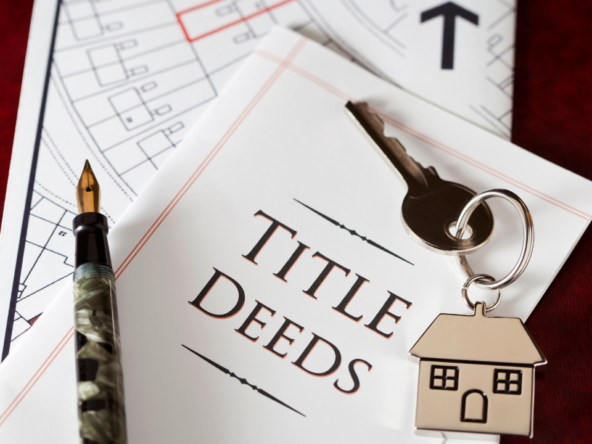
Owning a rental property can be a great investment, but successful property management requires organization, communication, and proactive maintenance. Whether you’re a first-time landlord or a seasoned investor, here are essential tips to keep your rental running efficiently.





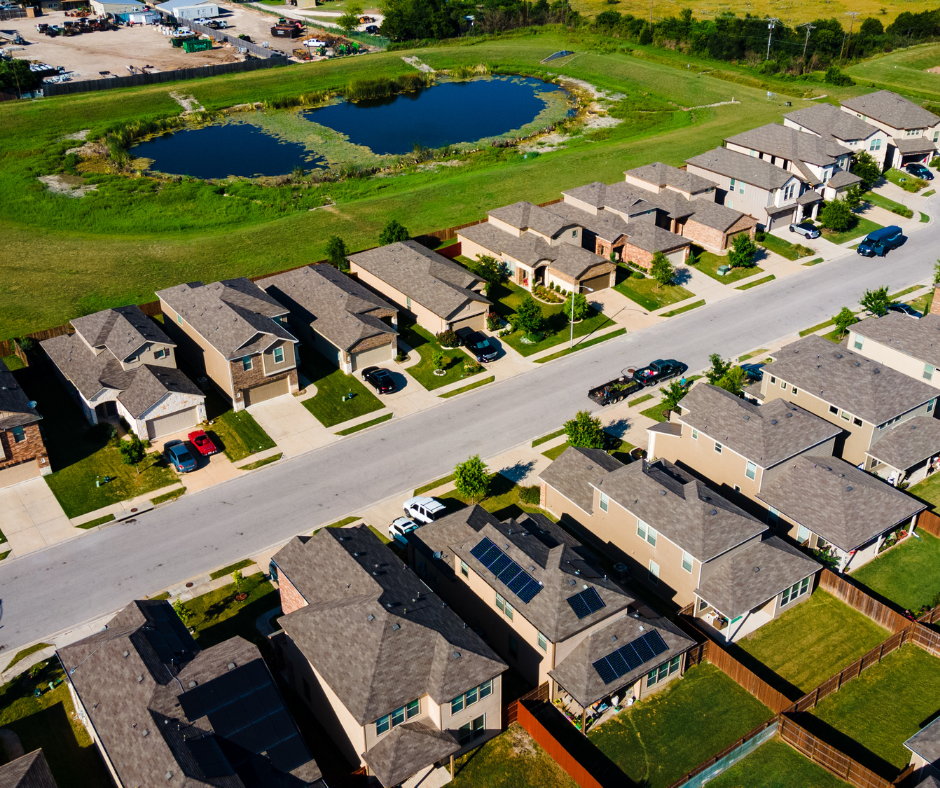


1. Screen Tenants Thoroughly
A good tenant makes all the difference in maintaining a hassle-free rental. Conduct background and credit checks, verify employment and rental history, and require references to ensure you’re selecting reliable tenants.
2. Set Clear Lease Terms
A well-drafted lease agreement protects both you and your tenant. Outline rent due dates, maintenance responsibilities, pet policies, and any other expectations upfront to avoid confusion later.
3. Stay on Top of Maintenance and Repairs
Regular upkeep prevents small issues from turning into costly repairs. Schedule routine inspections, respond promptly to tenant maintenance requests, and keep major systems like plumbing and HVAC in good condition.
4. Establish an Effective Rent Collection System
Make rent payments simple and consistent by offering multiple payment options such as online transfers, direct deposits, or property management software. Clearly outline late fees and enforce them fairly.
5. Communicate Openly and Professionally
Building a positive relationship with tenants leads to better cooperation. Be responsive to inquiries, address concerns promptly, and keep tenants informed of any property updates or policy changes.
6. Understand Landlord-Tenant Laws
Stay compliant with local rental laws, including fair housing regulations, eviction procedures, and security deposit handling. Knowing your legal responsibilities can help prevent disputes and legal complications.
7. Consider Hiring a Property Manager
If managing a rental becomes overwhelming, a professional property manager can handle tenant screening, rent collection, maintenance coordination, and legal compliance, saving you time and effort.
8. Keep Accurate Records
Maintain detailed records of leases, maintenance work, tenant communications, and financial transactions. Having organized documentation makes tax reporting and dispute resolution much easier.
9. Plan for Vacancies
Minimize income loss by having a strategy in place to quickly find new tenants when needed. Keep your rental well-maintained, market the property effectively, and offer incentives to attract long-term renters.
10. Stay Updated on Market Trends
Understanding rental market conditions helps you set competitive rent prices, attract quality tenants, and make informed decisions about property upgrades and investments.
Final Thoughts
Effective property management requires attention to detail, proactive maintenance, and good communication. By implementing these strategies, you can keep your rental running smoothly, retain great tenants, and maximize your investment’s profitability.
Looking for property management guidance? Let’s discuss how to optimize your rental for long-term success!